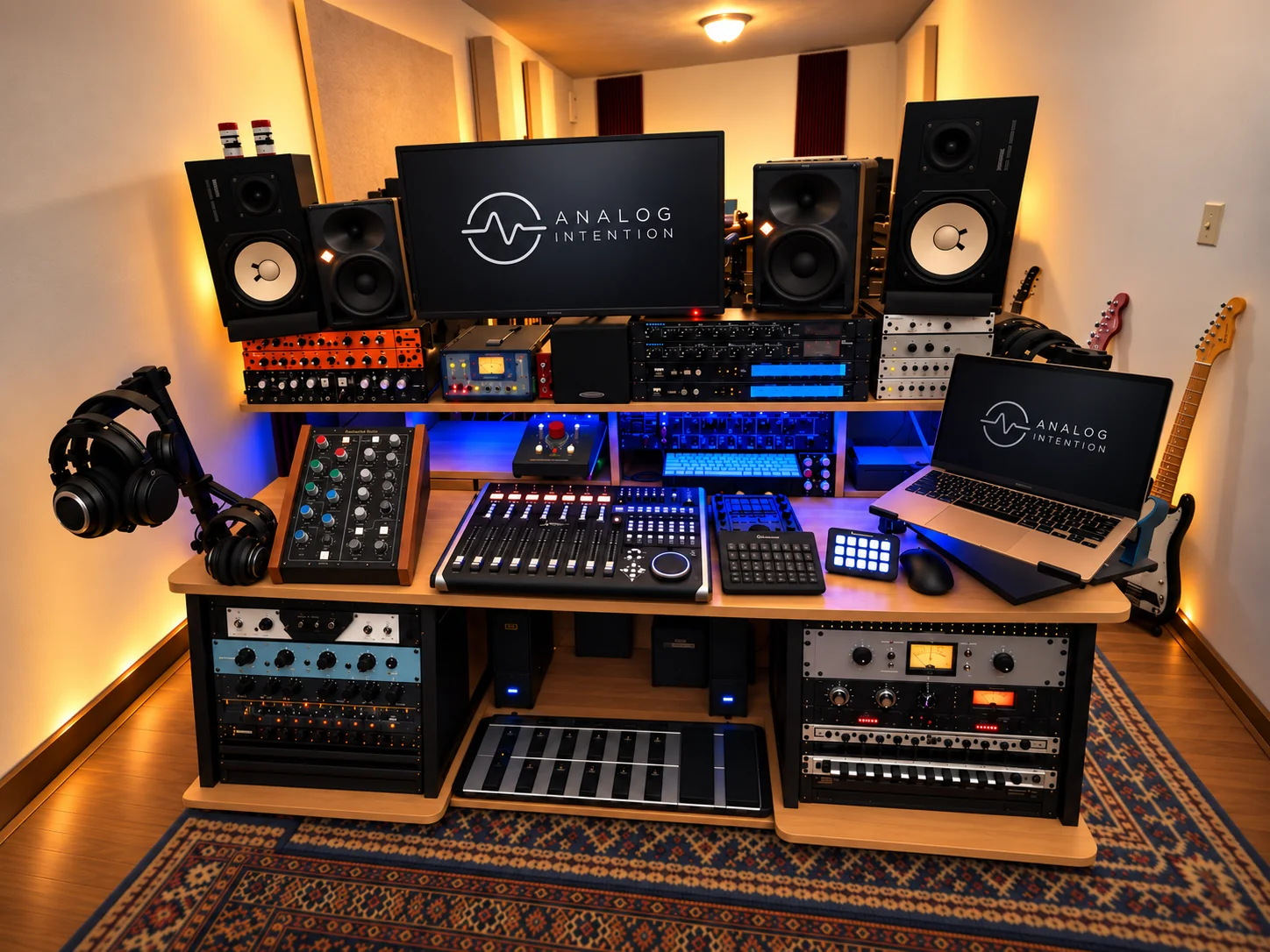
A studio you can play
The signal chain begins at the fingers.
Fender Rhodes 88, Wurlitzer 200A, Hammond A-101 and Leslie, piano, pedal steel, guitars, basses and amplifiers are working instruments — not props.

A studio should offer meaningful choices — not obligations to use everything it owns.
Fender Rhodes 88, Wurlitzer 200A, Hammond A-101 and Leslie, piano, pedal steel, guitars, basses and amplifiers are working instruments — not props.
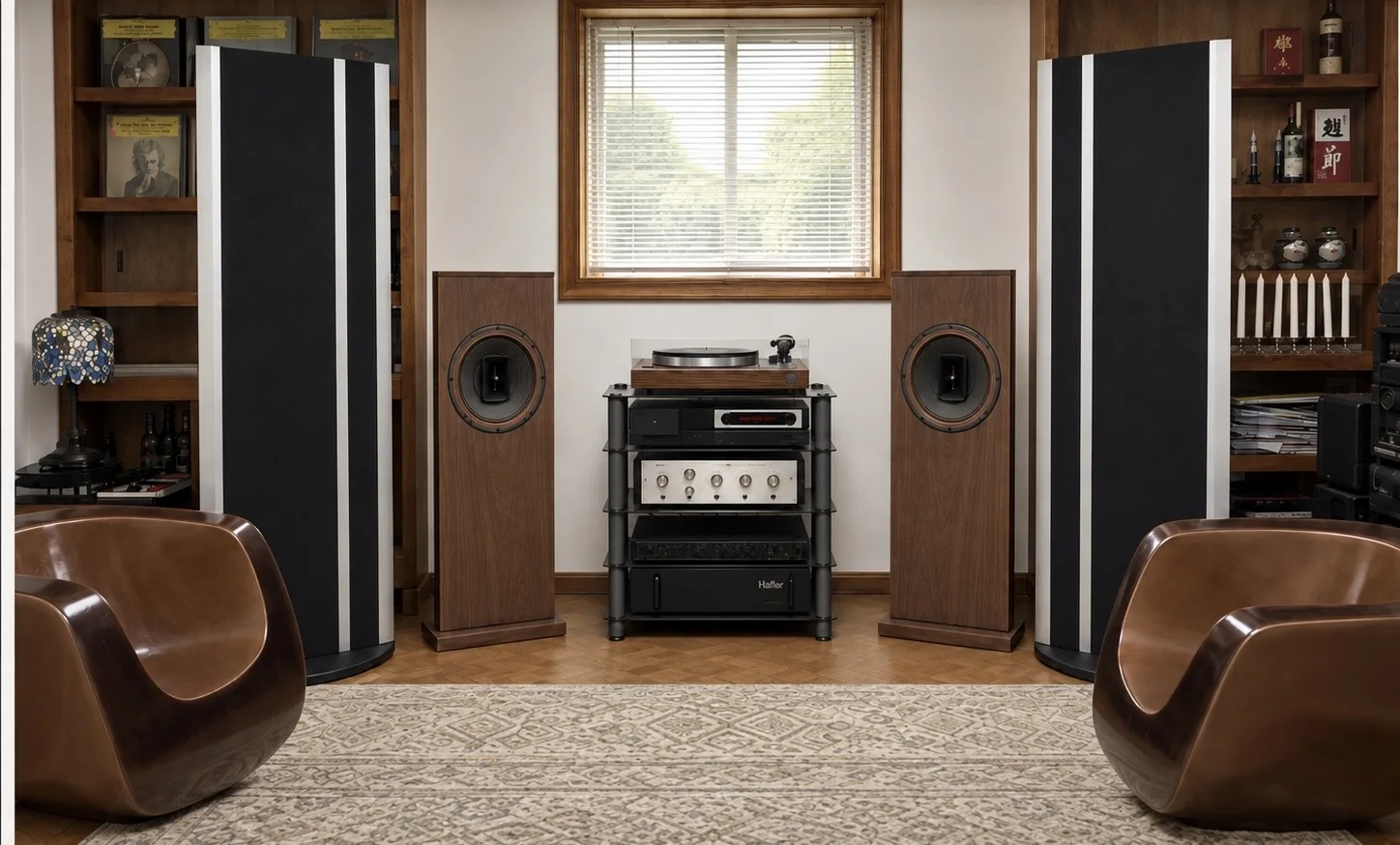
Tracking, mixing, physical time and critical listening are separated by purpose. The Listening Room provides a deliberately different perspective for translation and judgment.
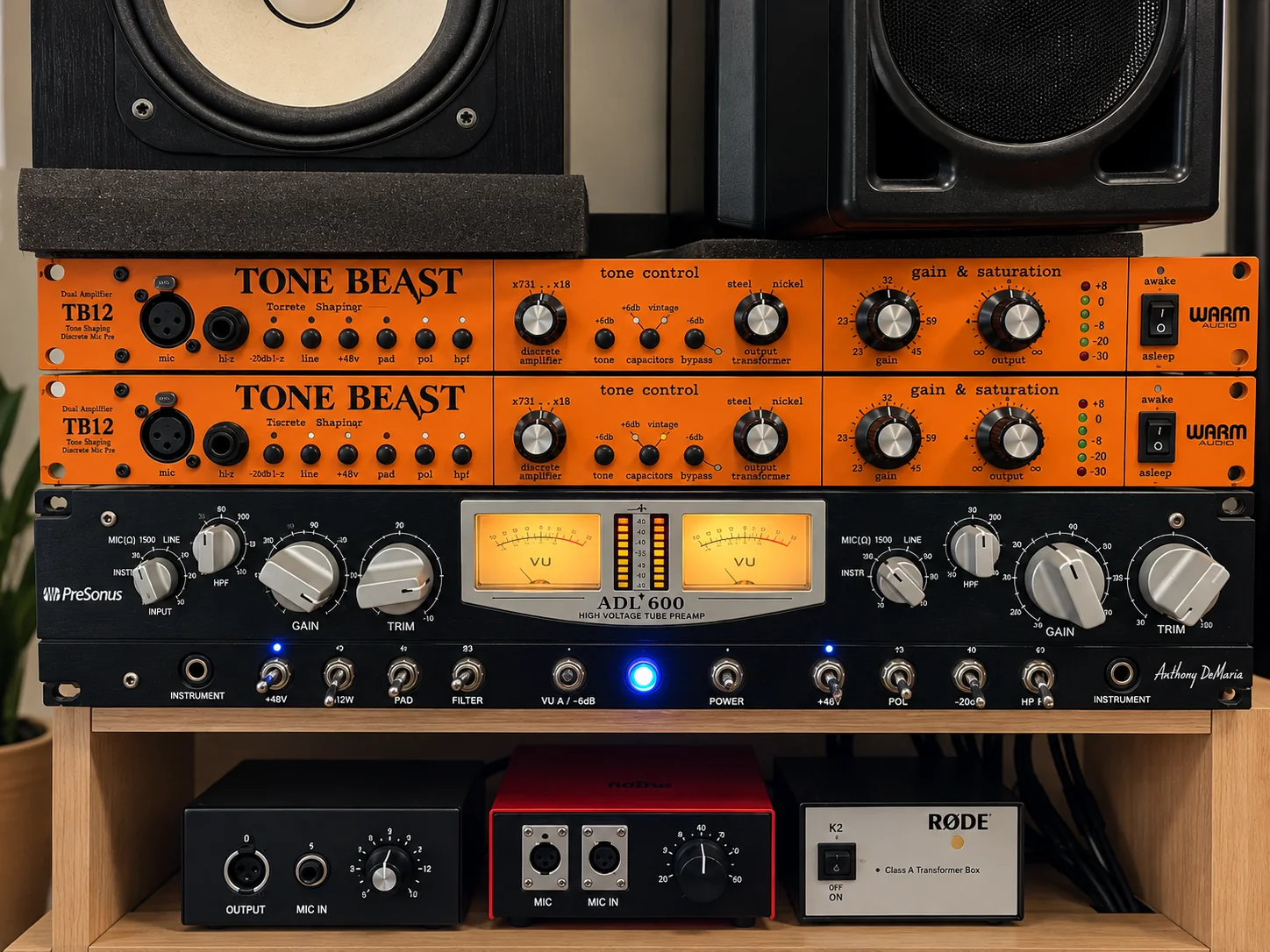
Microphones are creative decisions. Clean capture, tubes, transformers and different gain architectures are available when their behavior serves the source.
Character is available. It is never compulsory.
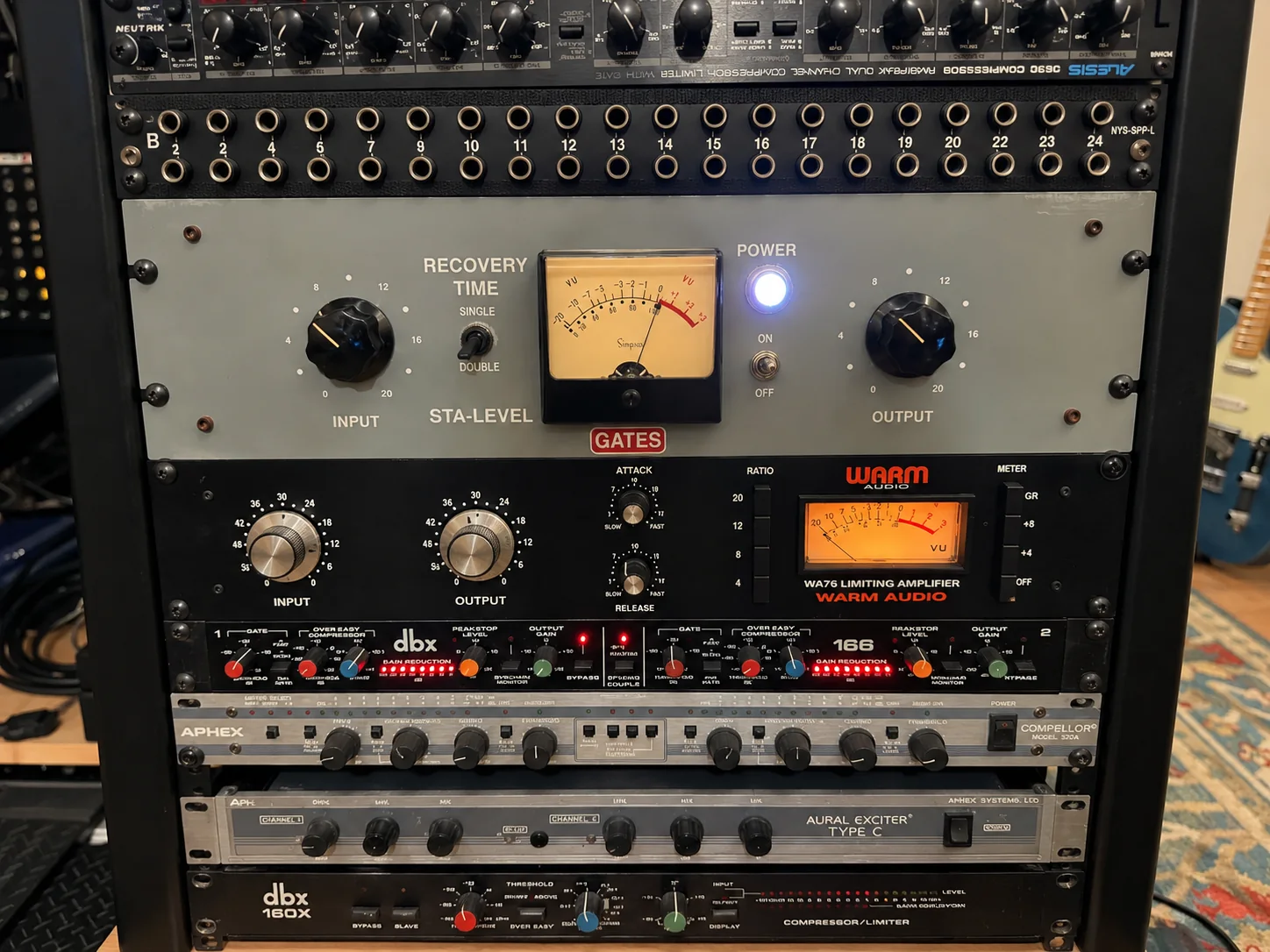
Optical, FET, VCA, variable-mu, passive EQ, tape and digital processing sit in the same toolbox. No topology wins by default.
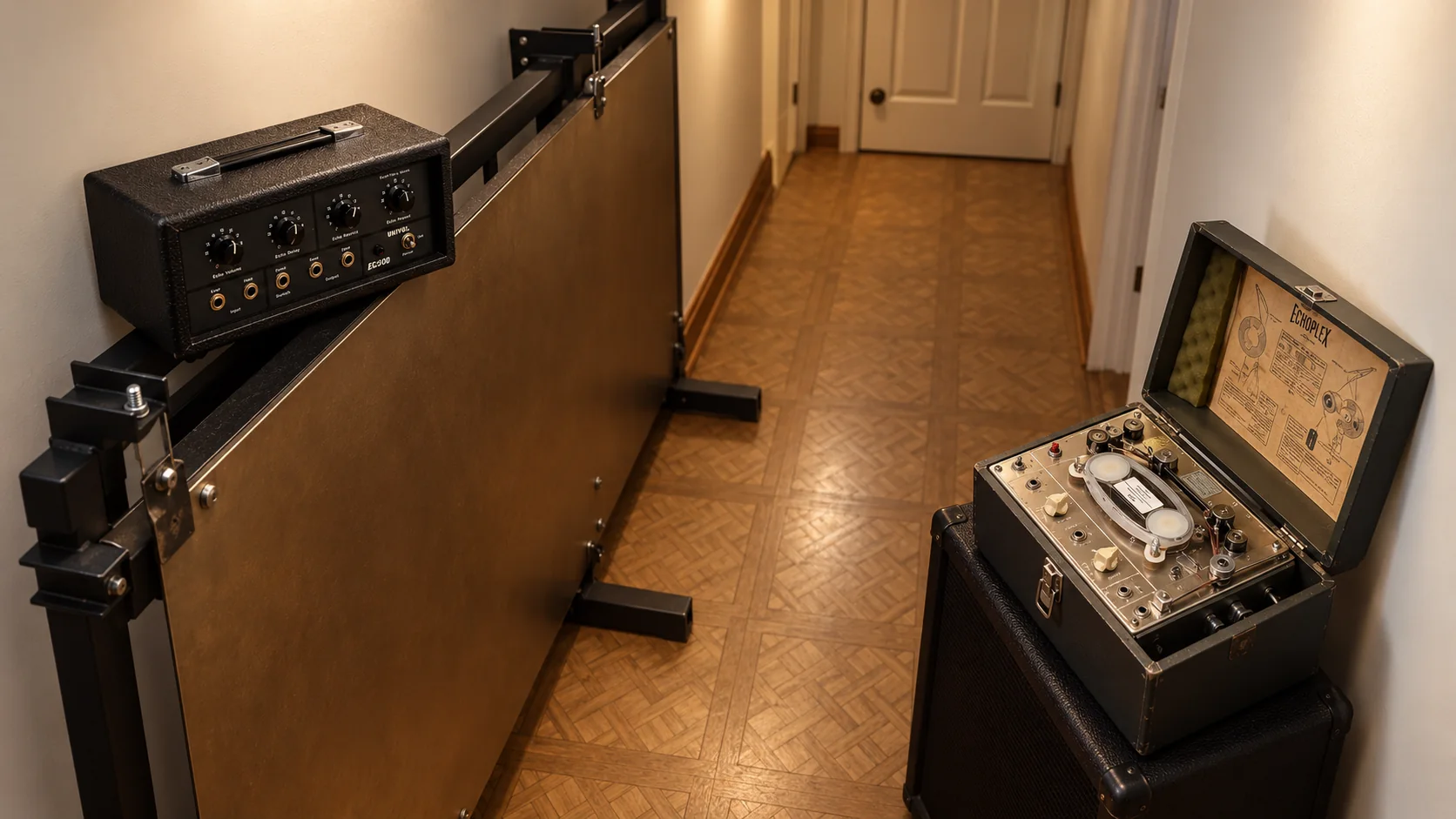
Plate reverb, tape echo, Leslie and physical time devices sit beside modern digital effects. The useful behavior wins.
Multiple monitoring perspectives help expose balance and translation. If the microphone already carries the emotion, there is no prize for making the chain longer.
Monitoring
Neumann KH120 A · Yamaha NS10M · Auratone mono · Velodyne servo sub · ATH-R70x · HD600
Selected front end & dynamics
PreSonus ADL600 · Gates variable-mu · WA-76 · dbx 160X · dbx 118 · Elysia xfilter · EQP-WA
Time & space
PCM91 · SPX90 · TC M2000 · PCM42 · Echoplex · plate reverb · Leslie
The equipment is here to make decisions possible, not to become the subject.